Many of those infected with Covid-19 that the virus did not kill are suffering the long-term effects of the disease, effects still not completely understood by science. Millions have also been broken in various ways by the terrifying prolonged traumatic experience of a highly contagious, international mass death spreading invisibly throughout human populations everywhere. Recall how frightful the early days of the outbreak were, before the vaccine, before we knew how to protect ourselves and each other, and how much insane behavior occurred, particularly here, in the United States, where our death toll, because of this insanity, was the largest of any nation, and close to the top of the per capita Covid-19 death list worldwide [2]. Imagine the effect on young children and adolescents, a mental health crisis rarely acknowledged, let alone addressed. Suck it up, you insane little bastards!
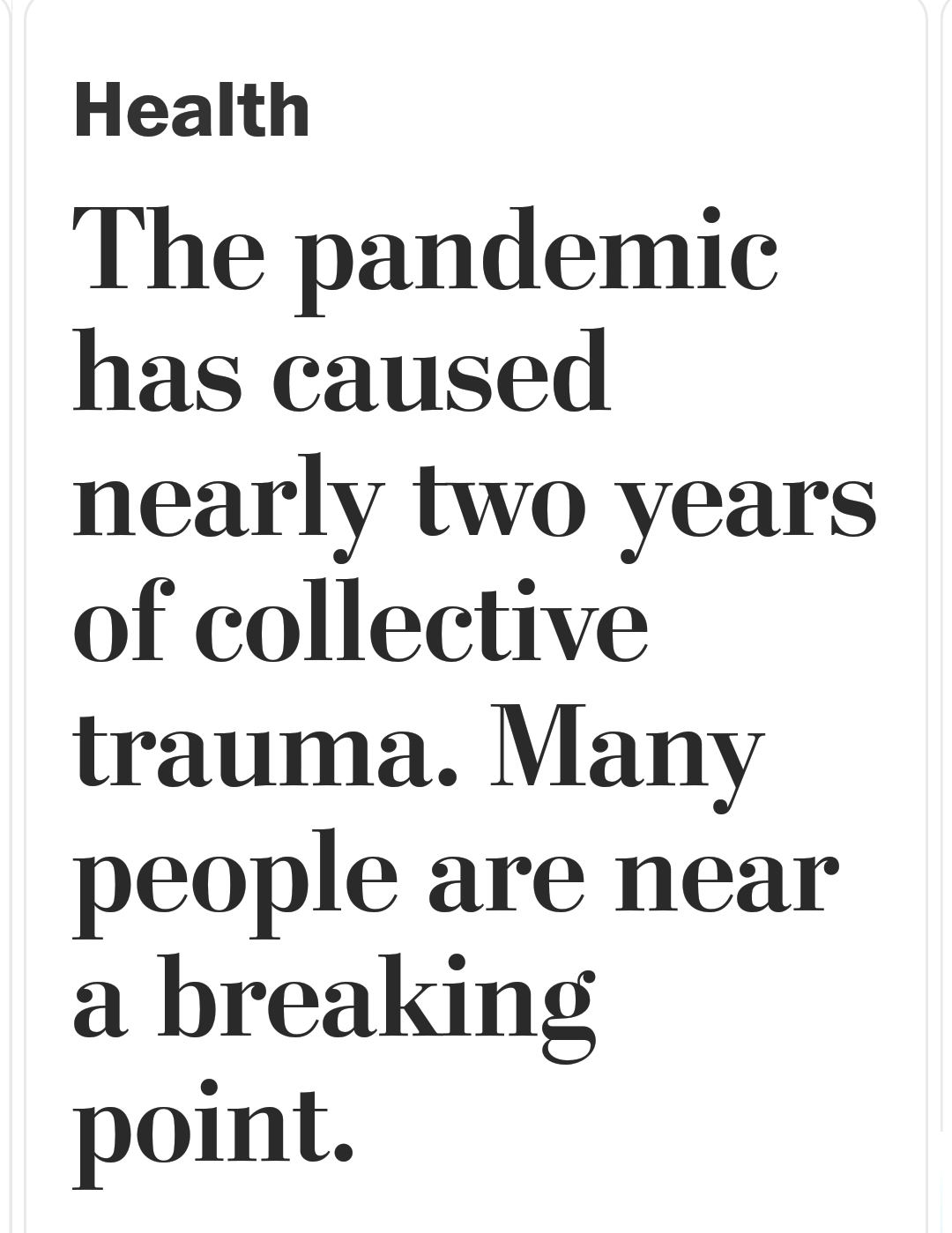
The human race, across the globe, has been recently mass traumatized by the pandemic and the effects are demonstrated in mass behavior worldwide. We have all been traumatized by it, few have escaped the effects of this long communal terror and all of the other strong feelings this terror evoked. When people are freaked out, people we don’t like can quickly take on the aspect of monsters, inhuman in their greed, stupidity, anger, sorrow, hypocrisy, whatever it is that distorts them into purely destructive beings without any redeeming feature.
I got a rare comment the other day, to my post about Kristi Noem’s lying about Senator Padilla being wrestled to the ground because he was “lunging at” her and hadn’t identified himself as a Senator (he had). In the course of it I wrote, describing the selective, irrational, often counter-factual, lying arguments of MAGA officials: This is a basic principle of all psychopaths: win the argument by removing context, deprive the other person of their right to do anything.
I had a long comment applauding this essential bit of truth and then running with it. The comment quoted numerous writers and thinkers I’d never heard of and included a link to a post written by someone who’d sent a critical comment to the British Medical Journal that the BMJ had declined to publish. Clicking the link to a blahg and starting to read the unpublished comment, it made sense that a scientific journal would decline to publish it, but official science’s refusal to publish it was cited as proof of science’s complicity in the worldwide conspiracy of deadly psychopaths. The comment continued into vaccine skepticism (with quotes and links) and conspiracy theories based on the coordinated actions of a worldwide cabal of undisclosed psychopaths.
I don’t dispute that many, probably most, CEOs, the leaders of the American Psychiatric Association, the far-right political activist billionaires who have waged a long war against “majoritarian tyranny” and the “administrative state”, those who embrace obvious lies for political advantage (99% of Republicans in Congress) are likely psychopaths, or, pragmatically obedient to psychopaths. That’s a different belief than, say, the antinatalist position that since we are not asked to consent to our own births (a tricky proposition, as even antinatalists must concede) that we are born involuntarily, into a life of pain, which gives us a moral obligation to liberate others about to be born without any choice in the matter [3].
The online world is an impossibly massive psychic battleground where intelligent, useful theories and idiotic and destructive ones are given equal weight by tens of millions worldwide, depending on how they hit individuals emotionally. Content moderation is something we routinely do in our daily lives, such as when confronted by advocates of the theory that powerful blood-drinking child raping cannibals like Tom Hanks control the liberal elites and the Deep State that persecutes White Christian Men.
For years YouTube posted links under sketchy videos, alerting viewers that the content contradicted known facts and should be viewed in that light. The owners of youTube have recently agreed with Trump/Musk/Thiel (three famous, extremely powerful psychopaths) that content moderation should be relaxed. You will, presumably, no longer have a corrective link under a January 6 riot video purporting to show that every rioter was a liberal, communist, FBI provocateur or Antifa supporter dressed as MAGA nation, that MAGA was completely peaceful and engaged only in “legitimate political discourse” and that all of the 1,600 rioters pardoned by Trump are owed large settlements for wrongful prosecutions and convictions. Same for the insane RFK Jr.’s claims about medicine, vaccines, toxic water, government bureaucracy, science, research, cancer, child malnutrition, etc.
As a matter of kindness and respect I wanted to post the guy’s long, gnarly, problematic comment and reply sympathetically to what I agreed with. As a matter of online responsibility, I couldn’t figure out how to do it without a bit of content moderation, which I would have applied to the sections about Covid, vaccines and so on. In the end, I’ll never know if the long, detailed comment was from a person or generated by AI (it was suspicious to me that there was no link or identifying information about the person making the comment, which was forwarded to me by WordPress).
We humans are really on our own out here.
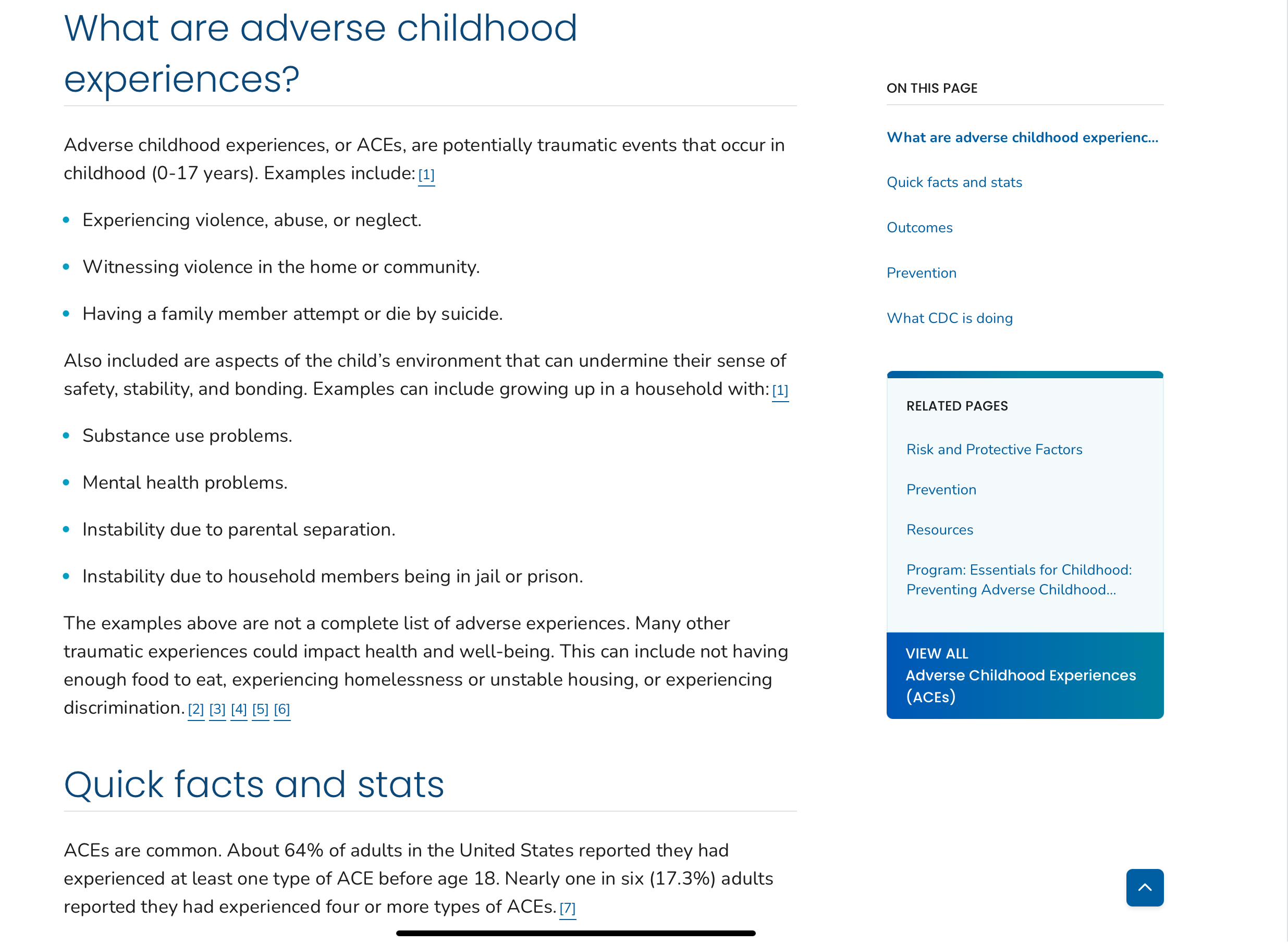
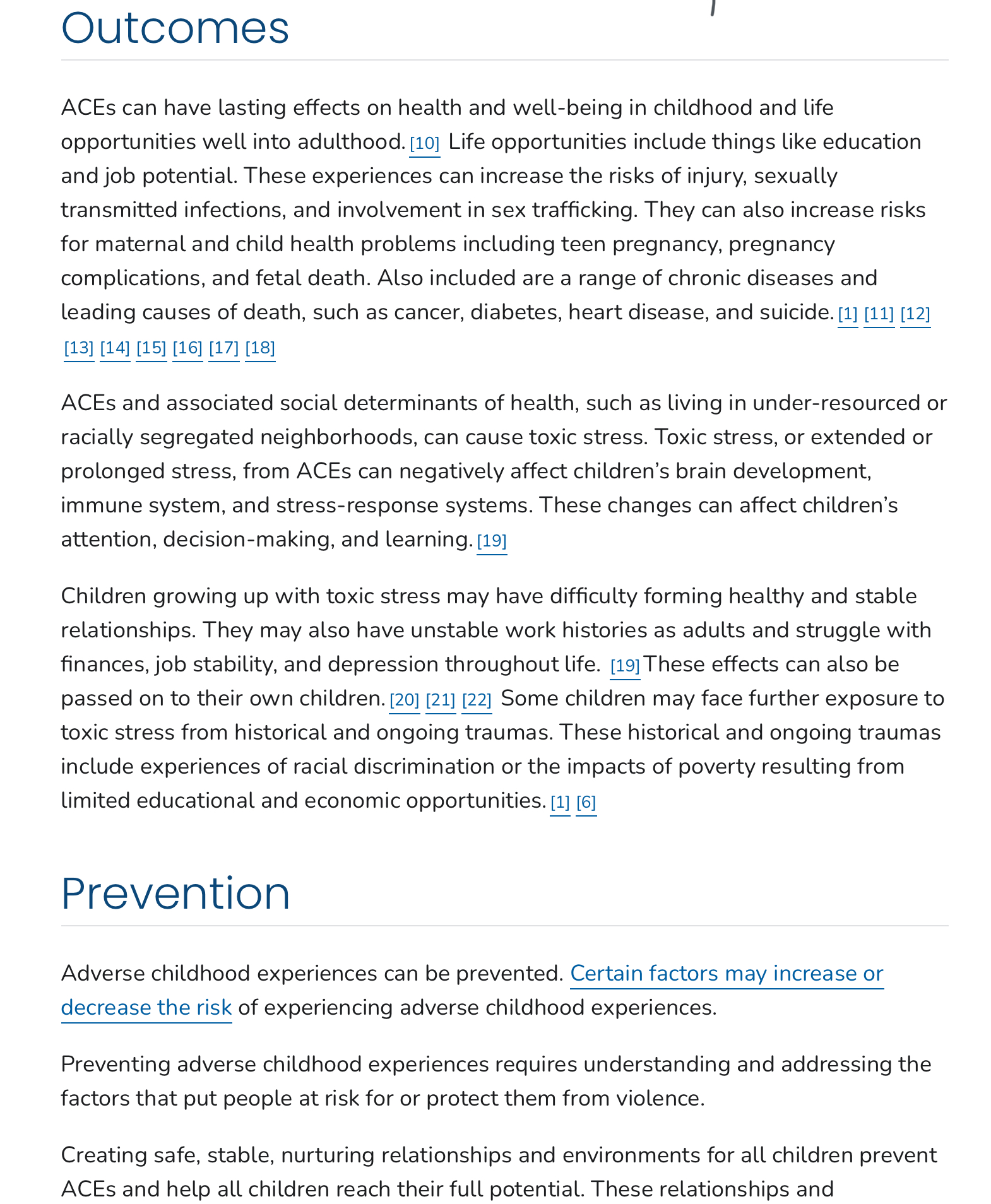
[1] Apparently the CDC website/DOGE bots have not gone over and combed out this page, last updated 10-4-24. I suspect the current boss, floridly insane former long-time heroin addict Robert F. Kennedy Jr., will make short work of this webpage, if it ever comes to his attention. Here’s a screenshot for posterity:
[2]. (From Wikipedia)
State and local responses to the pandemic during the public health emergency included the requirement to wear a face mask in specified situations (mask mandates), prohibition and cancellation of large-scale gatherings (including festivals and sporting events), stay-at-home orders, and school closures.[29] Disproportionate numbers of cases were observed among Black and Latino populations,[30][31][32] as well as elevated levels of vaccine hesitancy,[33][34] and there was a sharp increase in reported incidents of xenophobia and racism against Asian Americans.[35][36] Clusters of infections and deaths occurred in many areas.[b]The COVID-19 pandemic also saw the emergence of misinformation and conspiracy theories,[39] and highlighted weaknesses in the U.S. public health system.[17][40][41]
In the United States, there have been 103,436,829[3] confirmed cases of COVID-19 with 1,193,165[3] confirmed deaths, the most of any country, and the 17th highest per capita worldwide.[42] The COVID-19 pandemic ranks as the deadliest disaster in the country’s history.[43] It was the third-leading cause of death in the U.S. in 2020, behind heart disease and cancer.[44] From 2019 to 2020, U.S. life expectancy dropped by three years for Hispanic and Latino Americans, 2.9 years for African Americans, and 1.2 years for White Americans.[45] In 2021, U.S. deaths due to COVID-19 rose,[46] and life expectancy fell.[47]
[3] Antinatalism or anti-natalism is the philosophical value judgment that procreation is unethical or unjustifiable. Antinatalists thus argue that humans should abstain from making children. Some antinatalists consider coming into existence to always be a serious harm. Wikipedia







 gratuitousblahg